
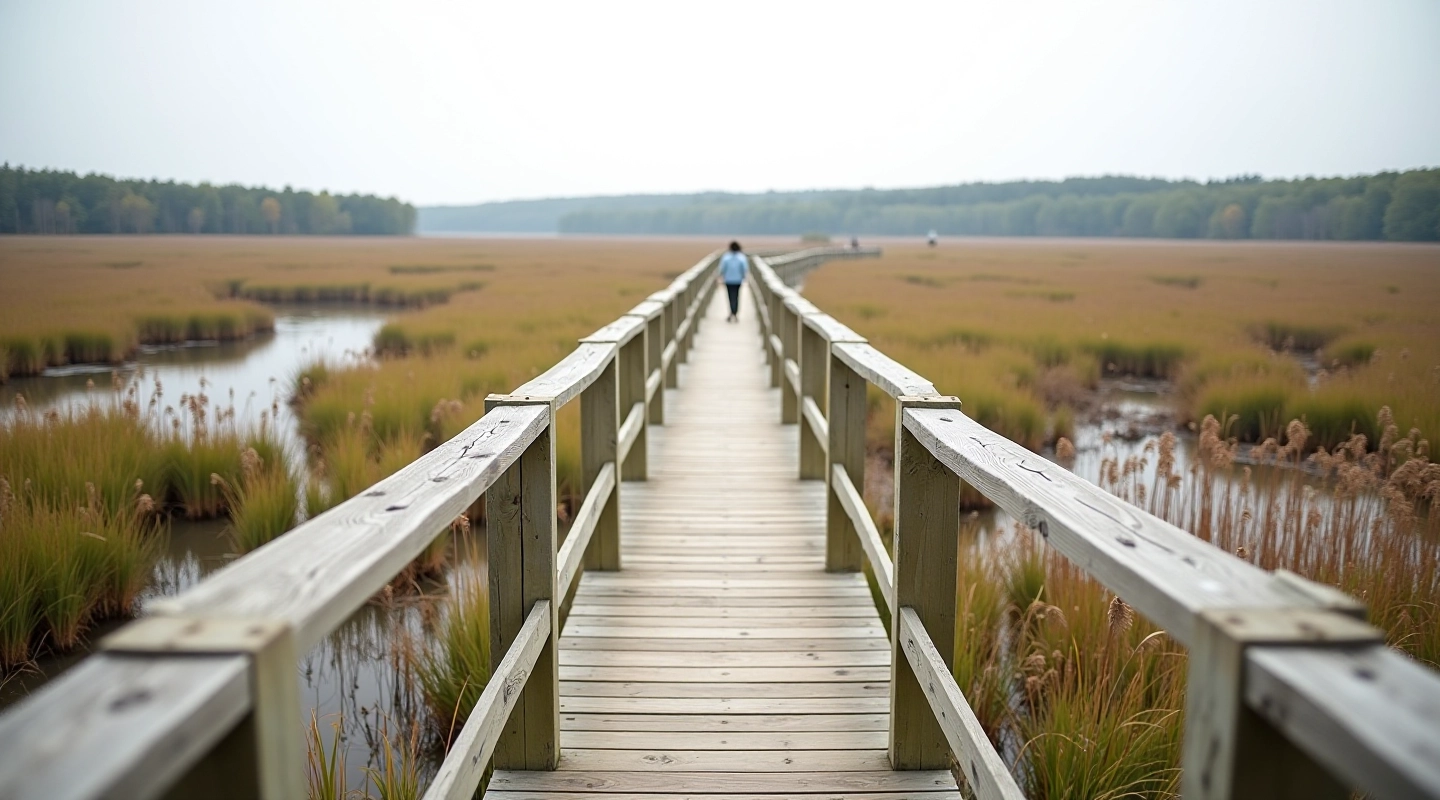
Observation Towers: Where to Find the Best Views
Guide to the five main towers at Žuvintas — their accessibility features, peak watching times, and what species you'll spot from each vantage point.
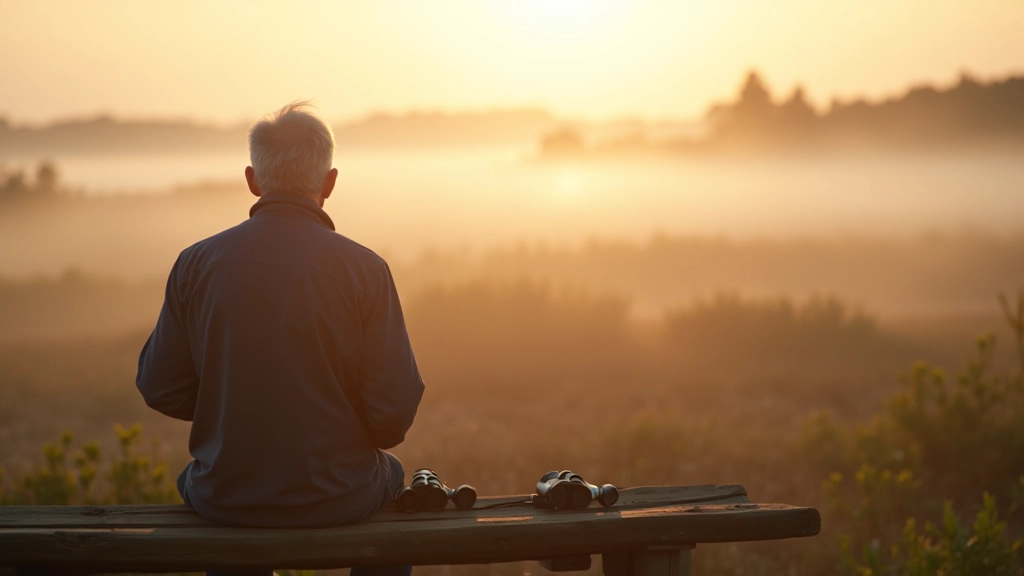
Detailed breakdown of all six main boardwalks including parking, rest facilities, water access, and estimated completion times. No surprises when you arrive.
Editorial Team
Written by the Žuvintas Editorial Team, focused on practical, honest guidance for wetland bird watching and accessible nature trails.
We've walked every boardwalk at Žuvintas, timed each route, and noted exactly what to expect. Some trails are flat and easy — perfect for morning strolls. Others climb a bit, offer better views, but take longer. You'll want to know the difference before you head out.
Each description includes real details: how long it takes, where you can rest, parking options, and which trails work best if you're bringing a mobility aid or just prefer to take things slow. We're not here to impress you with difficulty ratings. We're here to help you pick the right walk for the day you're having.
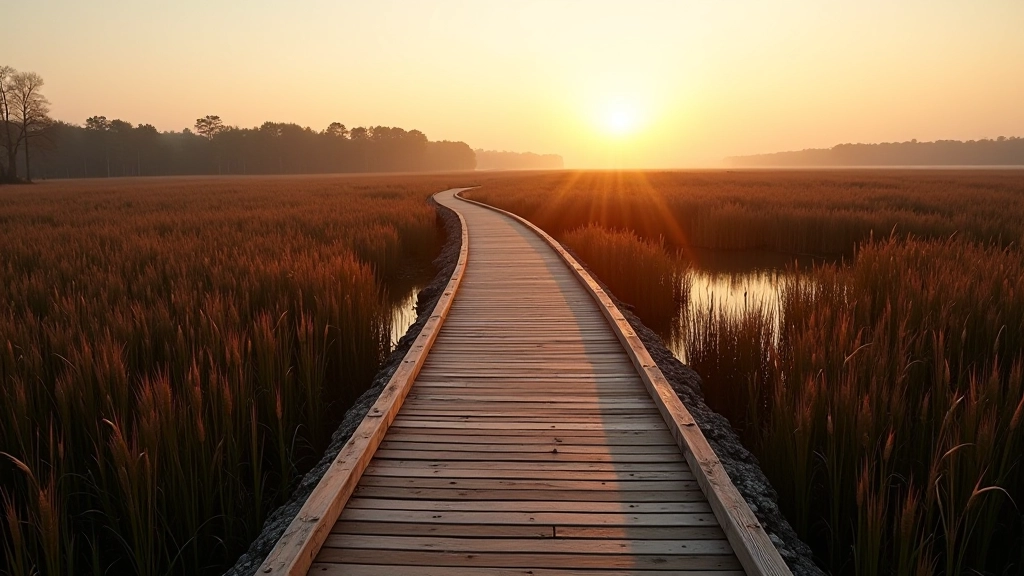
Žuvintas has six main boardwalks. They're not random routes — they're designed to show you different parts of the reserve. Some take you close to water where herons hunt. Others loop through higher ground where you get panoramic views. A couple connect to the observation towers.
The boardwalks are well-maintained. They're wooden, mostly solid, though you'll feel some give if the weather's been wet. Railings are present on the longer sections. Surfaces are smooth enough for most mobility aids, though a couple of the steeper ramps need careful attention if you're using a wheelchair or walker.
Parking is available at three main access points. You won't walk more than 50 meters from a car park to reach any boardwalk. Toilets exist at two locations — one's newer and more accessible than the other. If you've got mobility concerns, we'll tell you which one to use.
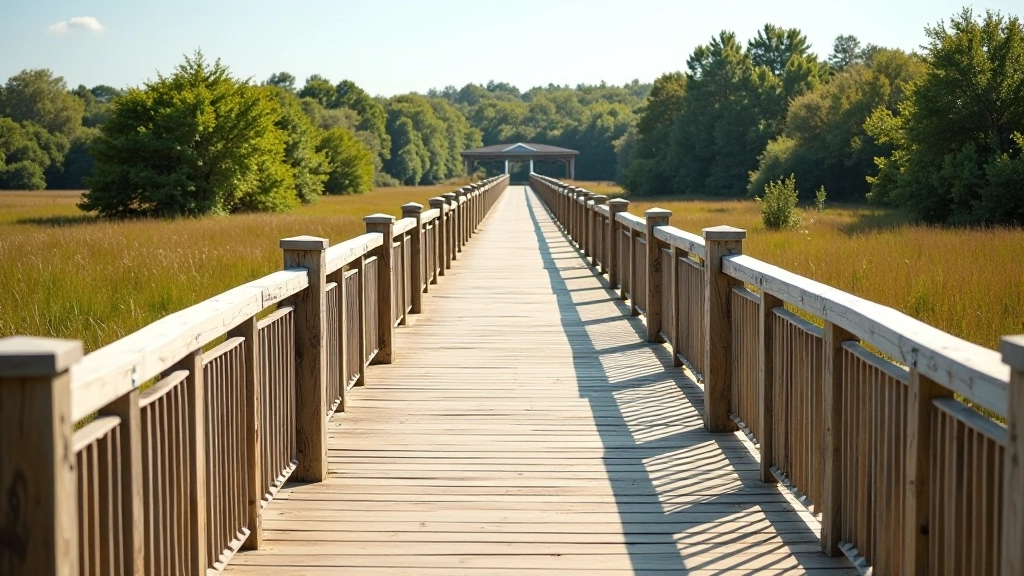
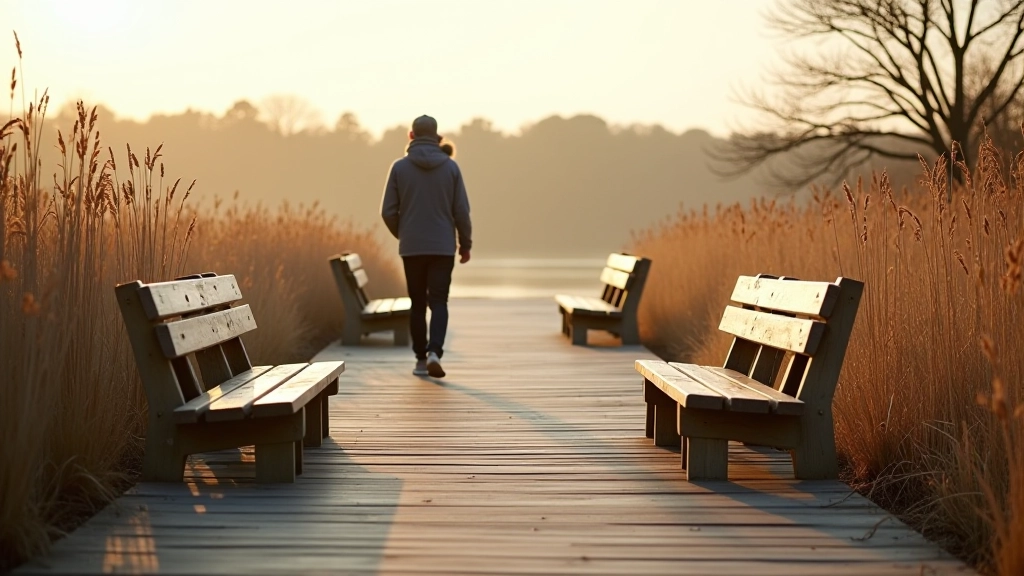
Two boardwalks fall into the "easy" category. The Visitor Loop is 1.2 kilometers and takes about 25-30 minutes at a relaxed pace. It's flat. No elevation change. Benches every 100 meters or so. You'll see waterfowl up close, especially in spring when nesting happens. This one's perfect if you're just getting started or prefer a gentle morning walk.
The Wetland Edge Trail is slightly longer — 1.8 kilometers — but equally flat. It takes about 35-40 minutes. The difference is the views. You're closer to open water here, so visibility is better for spotting birds at distance. There's one shelter about halfway through where you can rest and scan with binoculars. Parking's 40 meters away.
Both trails are wheelchair-accessible. Both have solid, even surfaces. You won't need to worry about unexpected slopes or rough sections. If you're using a walker, you'll appreciate the frequent benches and the gentle pace these routes encourage.
Choose trails that match your current fitness level and mobility. Check local weather and water conditions before traveling — wet weather can make boardwalks slippery. If you have health concerns or haven't been active recently, speak with your GP before starting a new walking routine. Bring water, sun protection, and tell someone where you're going.
Three boardwalks sit in the middle difficulty range. The Tower Loop is 2.3 kilometers and connects to two observation towers. It's still mostly flat, but there are ramps — not steep, but noticeable. Takes 45-55 minutes depending on how long you linger at the towers. Views from above are worth it. The towers have railings, and you can rest on the platforms.
The North Marshland Trail runs 2.6 kilometers through denser reed beds. Takes about 50-60 minutes. There's one slight elevation gain near the midpoint — maybe 8 meters over 200 meters of boardwalk. Not steep, but you'll notice it. Parking's at the north access point. This trail's quieter. Fewer people, which means better chances of spotting shy species like bitterns if you're patient and quiet.
The Shoreline Circuit is 2.1 kilometers and hugs the water's edge more closely. About 40-50 minutes. There's a gentle slope in one section but nothing dramatic. Benches every 150 meters. The ground here feels a bit softer underfoot — the boardwalk's newer and has more give to it. Some people find this more comfortable on their joints.
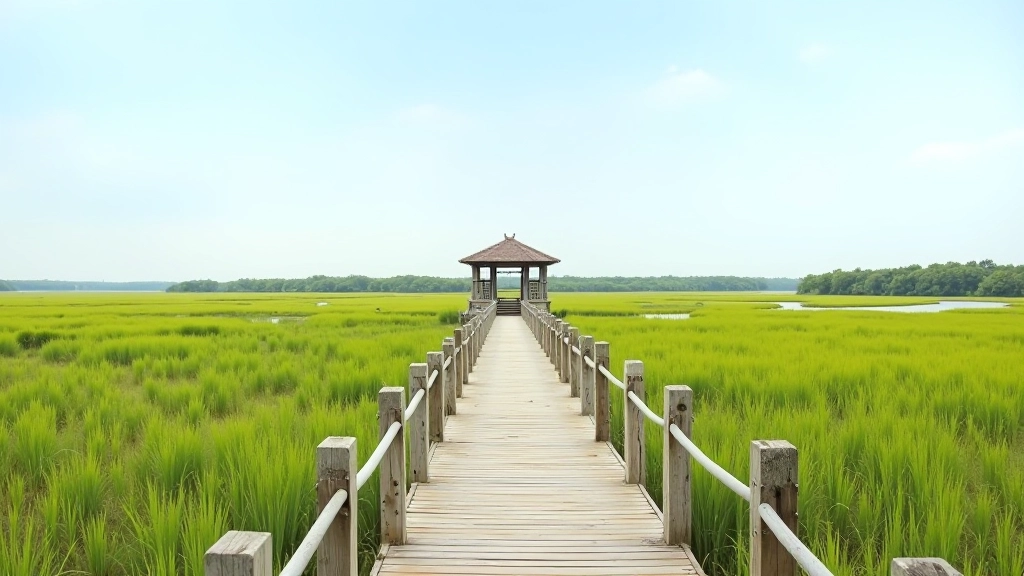
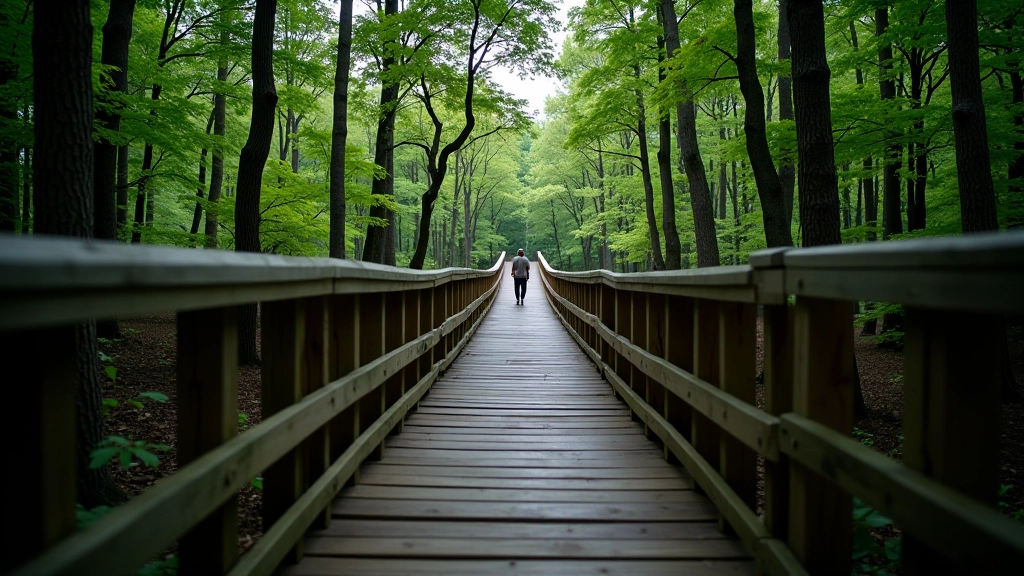
One boardwalk stands apart — the Summit Trail. It's 3.2 kilometers and takes 65-80 minutes. There's elevation here. You'll climb about 25 meters total, with the steepest section being the final ramp up to the main observation tower. The ramp's about 120 meters long with a 20% gradient. It's doable if you're reasonably fit, but it requires effort.
Don't let that scare you off though. The climb's broken into manageable sections with rest points. Railings are solid on both sides. Once you're up, the platform gives you views across the entire reserve — on clear days you can see 8-10 kilometers in every direction. Worth the effort if you're up for it. Walkers and mobility aids can handle it, but you'll need to take your time and pace yourself.
The parking's closest of all routes — just 30 meters from the start. But the toilets here aren't as accessible, so plan accordingly. If you're planning this walk, bring extra water and start early. You'll want time to rest at the top and enjoy the view without rushing back down.
Spring (April-May) and autumn (September-October) are ideal. Summer's busy but warm. Winter's quieter but cold and sometimes icy. Early morning's best for bird watching — less wind, better light, fewer people.
Three main parking areas serve the six boardwalks. The south lot's newest and has accessible spaces. North lot's older but quieter. Central lot's equidistant from most trails. GPS coordinates are available at the entrance.
Binoculars help but aren't essential. Water's important even on short walks. Sun protection matters year-round — reflection off water intensifies UV. Sturdy footwear's better than sandals, even though surfaces are solid.
Two toilet blocks exist. The south one's more modern with accessible facilities. Neither has running water for washing. Shelters are basic — just roofs, no walls. Benches are frequent on all trails.
All boardwalks accommodate wheelchairs. Surfaces are solid and even except where elevation changes. Ramps have handrails. The Summit Trail's steeper sections need confidence with inclines. Mobility aids work well on all routes.
Great egrets, herons, and kingfishers are common. Spring brings migrants — warblers, terns, cranes. Dragonflies in summer. Autumn's quieter but you'll spot late migrants. Winter's for dedicated birdwatchers — but the silence is worth it.
You won't get lost at Žuvintas. Every boardwalk's well-marked. Every trail's short enough that you're never more than 20 minutes from the start if you need to turn back. That's the point — accessibility means you can walk at your pace, rest when you need to, and actually enjoy the experience instead of struggling.
Pick a trail that matches how you're feeling today. Start with the easy routes if you're new. Work up to the moderate ones. Try the Summit Trail when you're ready. Or stick with what feels right. There's no hierarchy here. A 25-minute Visitor Loop walk where you spot five different herons is just as valuable as a 75-minute summit climb. You're here to see birds, get outside, and take care of yourself.
We've given you the details so you can make an informed choice. No surprises. No "I didn't realize it was this long" or "I wasn't ready for that climb." You'll know what to expect when you arrive, and you'll be able to enjoy your time here instead of worrying about it.
Explore more about bird watching at Žuvintas
Guide to the five main towers at Žuvintas — their accessibility features, peak watching times, and what species you'll spot from each vantage point.
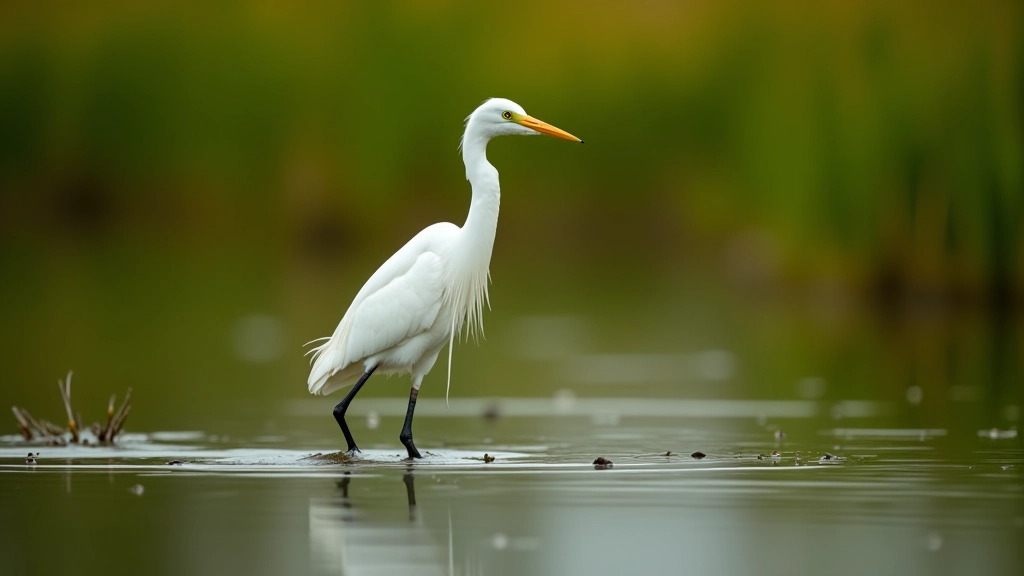
Learn to distinguish between species you'll encounter. Covers field marks, behavior patterns, and seasonal variations to help you identify birds confidently.
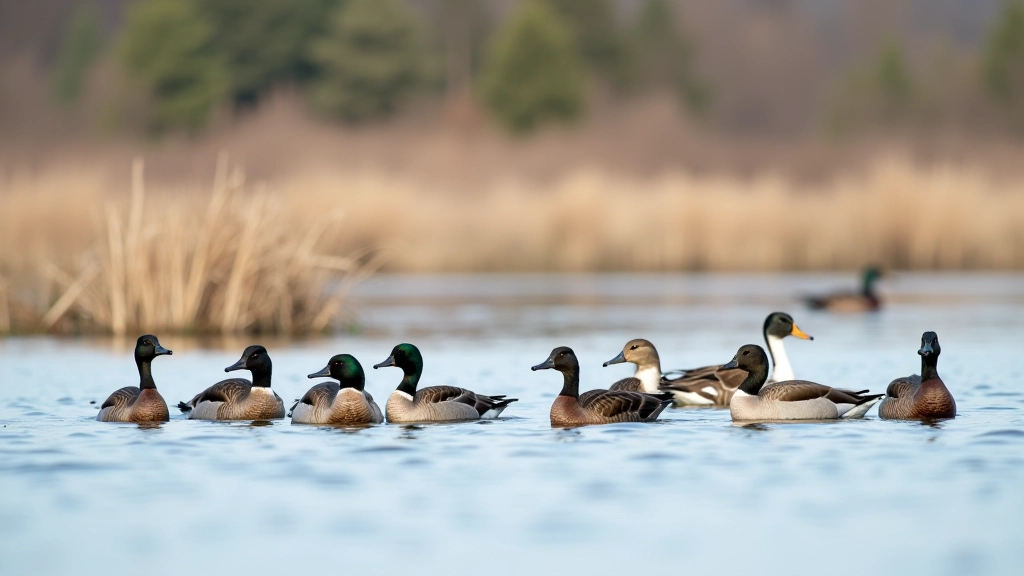
The annual phenomenon explained — migration timing, species involved, peak observation days, and how to prepare for the busiest birding season.