
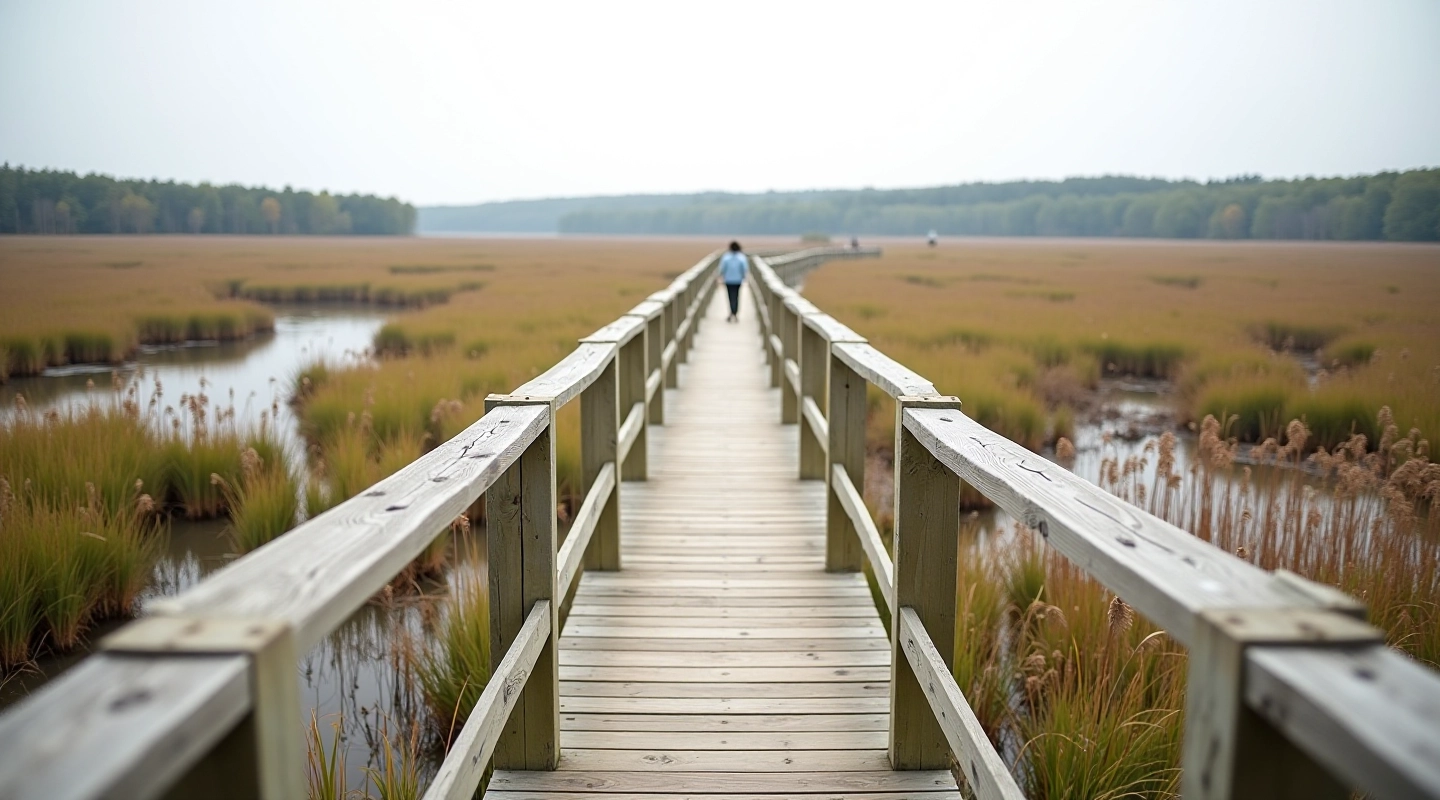
Observation Towers: Where to Find the Best Views
Žuvintas has five main observation towers. We'll walk you through each one — what you'll see, when to go, and how to get there. Whether you're looking for herons or just a quiet morning in nature, there's a tower that'll work for you.
Author
Editorial Team
Written by the Žuvintas Editorial Team, focused on practical, honest guidance for wetland bird watching and accessible nature trails.
Why These Towers Matter
Height changes everything. From ground level, you're seeing the world as the birds do — reeds blocking your view, water too close to focus on distant movement. But step up onto one of these platforms and suddenly you've got perspective. You can scan across the wetland. You can spot a great egret half a kilometer away. You can actually see what's happening.
The five towers at Žuvintas aren't fancy. They're simple wooden structures — some newer, some weathered. But they're positioned where birds actually gather. Each one catches different species depending on the season. Each one has its own character too. Some are busier. Some are quieter. And they're all accessible if you pick the right one for your fitness level.
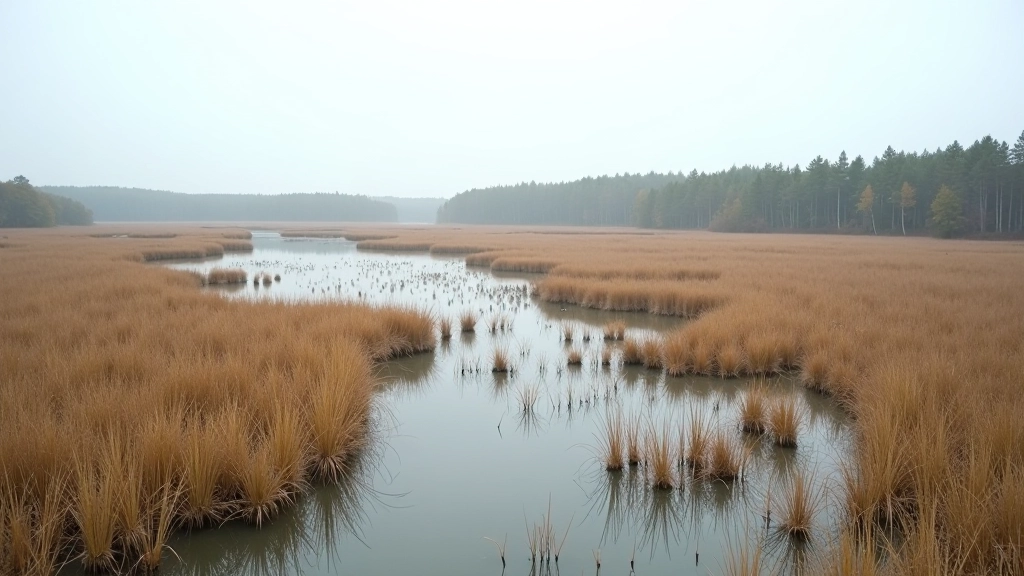
The Five Towers Explained
Each tower has its own vibe and best times to visit.
North Tower
This is the closest one to the main boardwalk entrance. Easy walk, about 200 meters on flat ground. The platform's 8 meters high with good railings. You're looking out over the open water section where grebes and cormorants hang out. Early morning here is solid — around 6 to 8 a.m. you'll catch feeding activity. The platform gets busy on weekends, so if you prefer quiet, come on a weekday or arrive before 7 a.m.
- Height: 8 meters
- Walk distance: 200 meters flat
- Best time: Early morning or late afternoon
- Common sightings: Great crested grebes, cormorants, pochards
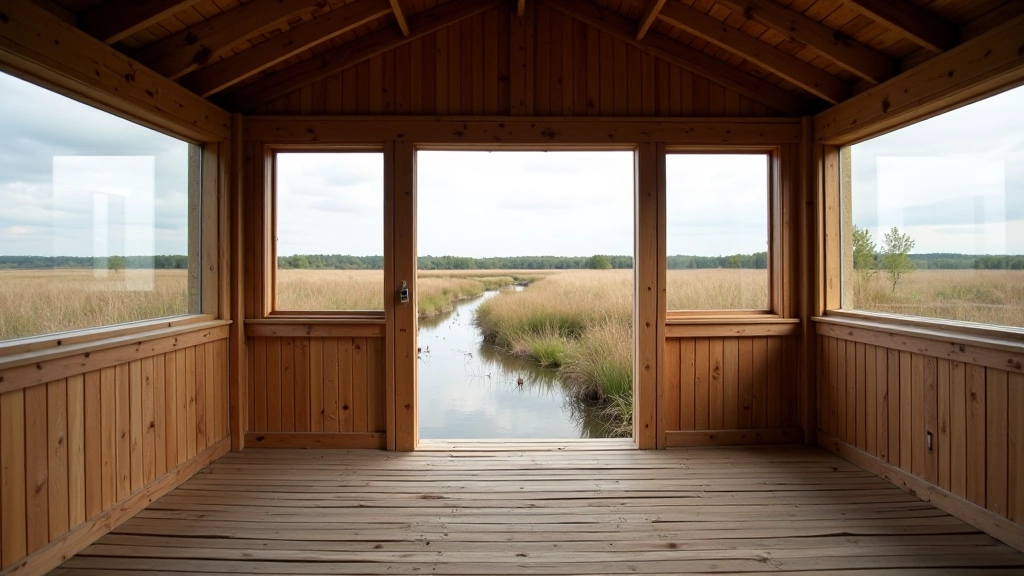
East Tower
You'll walk about 400 meters to reach this one, mostly on the raised boardwalk. The path has benches every 100 meters if you need rest breaks. Platform's 6 meters — slightly lower than North, but the view is different. You're looking toward the reed beds where herons nest. This tower is where you go if you want to see spoonbills and bitterns. April through September is peak season. Quieter than North Tower. Bring binoculars — birds here are sometimes further out.
- Height: 6 meters
- Walk distance: 400 meters with rest benches
- Best time: Spring and summer mornings
- Common sightings: Purple herons, spoonbills, bitterns, warblers
West Tower
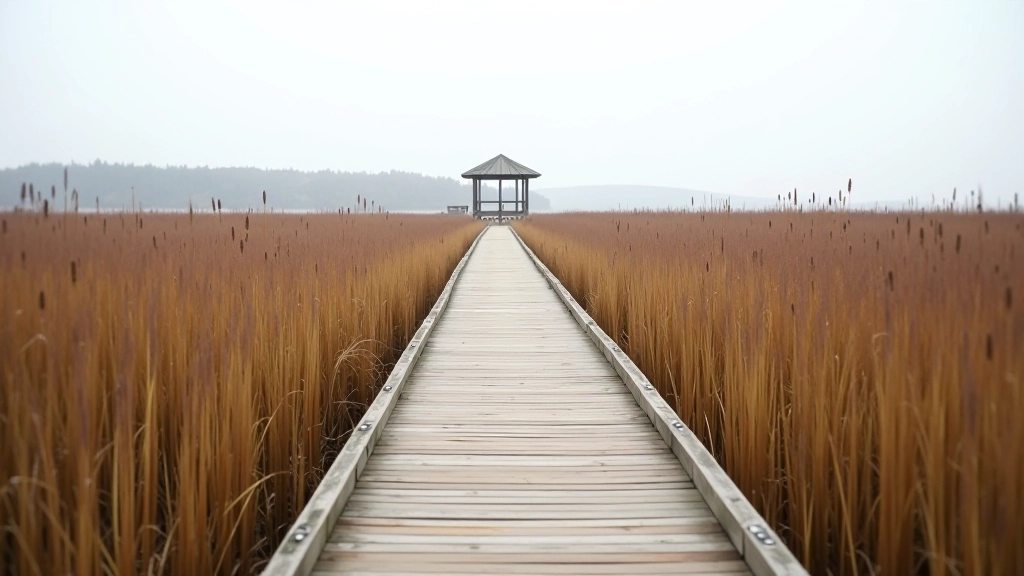
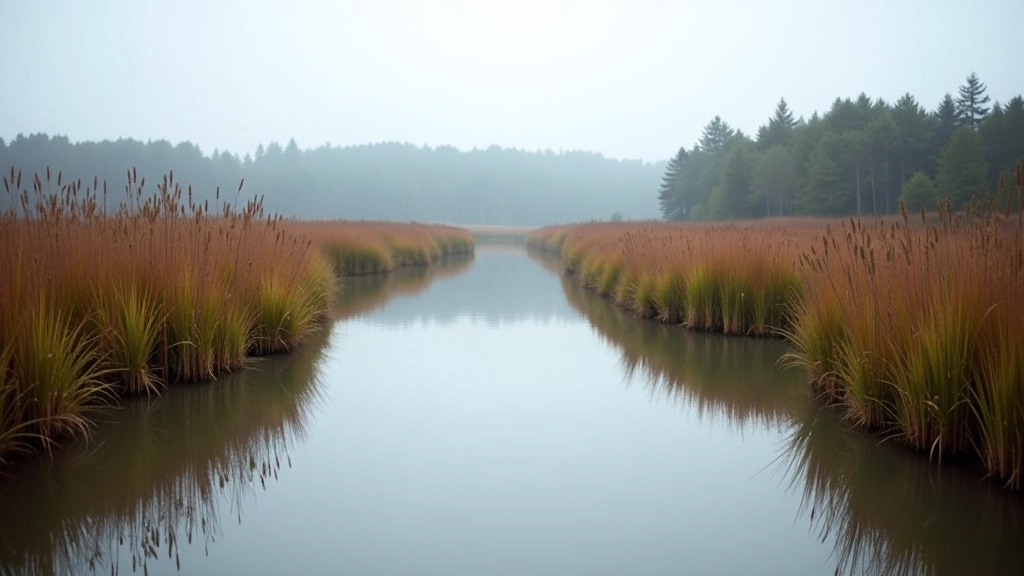
This one's at the far end of the main loop. 600 meters walk. The boardwalk gets quieter as you go further out — fewer people make the full journey. The platform's 7 meters with a small covered shelter at the base, which is handy if weather turns. You're looking over the deep water channel where diving ducks congregate. Winter's actually good here if you don't mind cold — you'll see different species. The tower doesn't get crowded basically ever. It's genuinely peaceful.
- Height: 7 meters
- Walk distance: 600 meters, fewer visitors
- Best time: Winter and late autumn
- Common sightings: Tufted ducks, teal, wigeon, white-tailed eagles (rare)
Before You Go
Choose towers that match your fitness level. Check local conditions and weather before traveling. If you have mobility concerns or health conditions, speak with your GP before starting a new walking activity. Boardwalks can be slippery when wet. Towers are open year-round, but winter ice requires extra caution. Bring water and sun protection in summer months.
Making the Most of Your Visit
A few practical things that actually make a difference.
Go Early
Birds are most active at dawn. The light's better too. You don't need to be there at sunrise exactly — 7 a.m. works fine. Just avoid midday when activity drops and the sun's harsh on the eyes.
Bring Binoculars
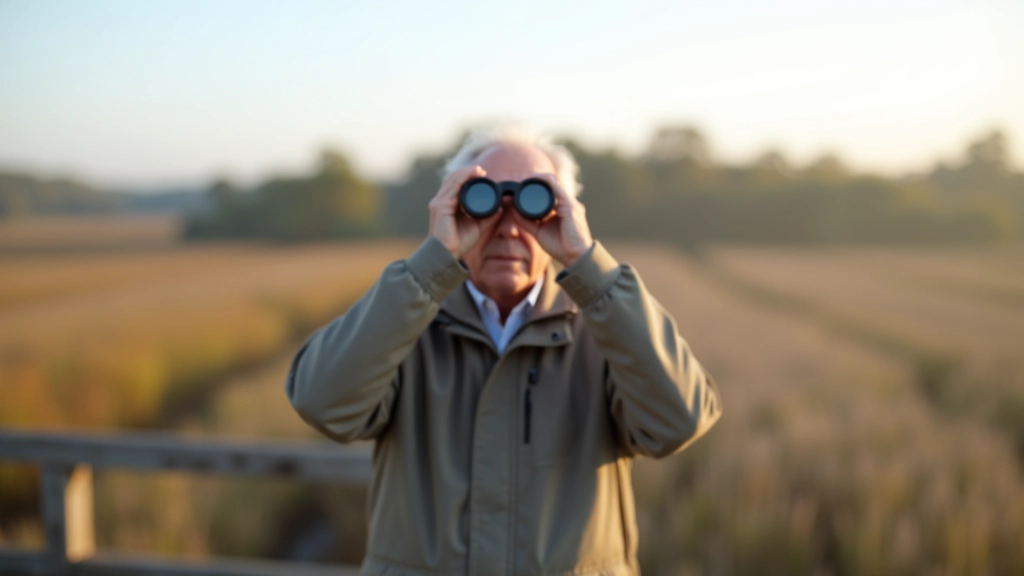
You don't need expensive ones. Anything 8x42 or 10x42 works. Without them you're guessing at what you're seeing. With them you'll actually identify species and see behavior details that make the trip worthwhile.
Move Slowly
Once you're on the platform, settle in. Don't pace around. Birds spook easily. Sit or stand still for 10-15 minutes and let your eyes adjust. You'll see way more than if you're constantly looking for the next thing.
Check Weather First
Boardwalks are fine in rain. They're less fine in high wind — it's harder to spot birds and you're uncomfortable. Check forecasts. Windy days are still worth visiting, just manage expectations.
Take a Notebook
Jot down what you see — date, time, species, behavior notes. Sounds silly but it'll help you remember the visit better. Plus you'll start spotting patterns across different visits.
Dress for the Season
You're standing still, so you'll get cold faster than on a walk. Layers work better than one thick jacket. Hat and gloves in winter. Sun hat in summer. Waterproof jacket year-round — wind blows moisture across the water.
Planning Your Tower Route
You don't need to visit all five towers in one day. Most people don't, and honestly you'll enjoy yourself more if you don't rush. Pick one or two depending on how much time you have. North Tower if you've got 30 minutes. North and East if you've got two hours. The full loop to West Tower takes about 90 minutes at a comfortable pace including time on the platforms.
First-timers usually start with North Tower — it's easiest and you'll get results quickly. Once you've done that, branch out. The boardwalk connects everything, so you can skip towers or do them in any order. There's parking at the main entrance. Facilities include toilets, a small café, and maps. It's genuinely well set up for visitors.
The reserve is free to access. No permits needed. Just show up during daylight hours. Most people come between March and October, but it's worth visiting year-round if you're interested in seasonal variation. The birds change. The light changes. The experience stays interesting.
Explore More Guides
Deepen your Žuvintas experience with these related resources.
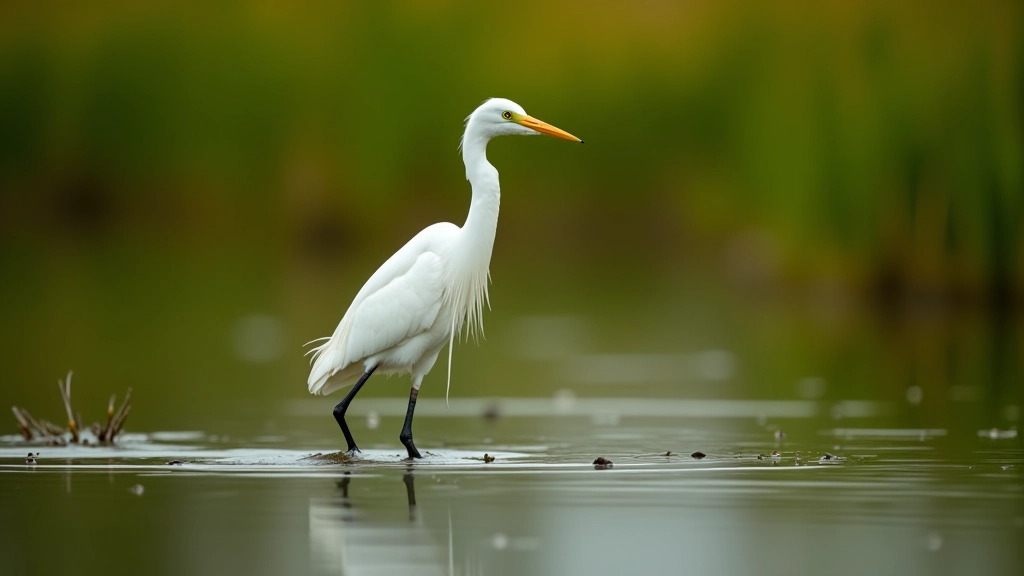
Common Waders and Herons: Identification Guide
Learn to distinguish between species you'll encounter. Covers field marks, behavior patterns, and seasonal presence.
Read Guide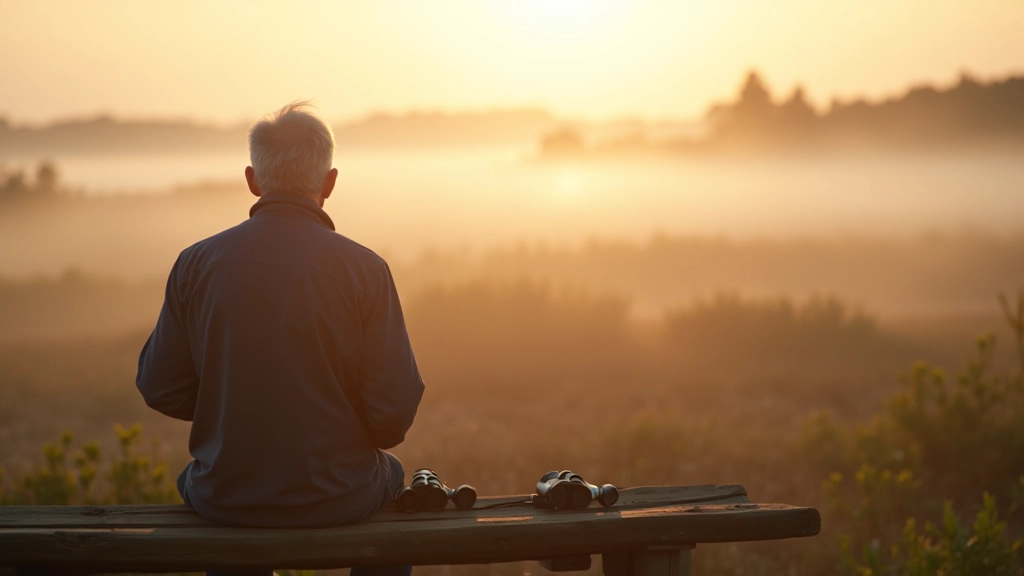
Accessible Trails: Full Descriptions and Difficulty Ratings
Detailed breakdown of all six main boardwalks including parking, rest facilities, and accessibility features for different mobility levels.
Read Guide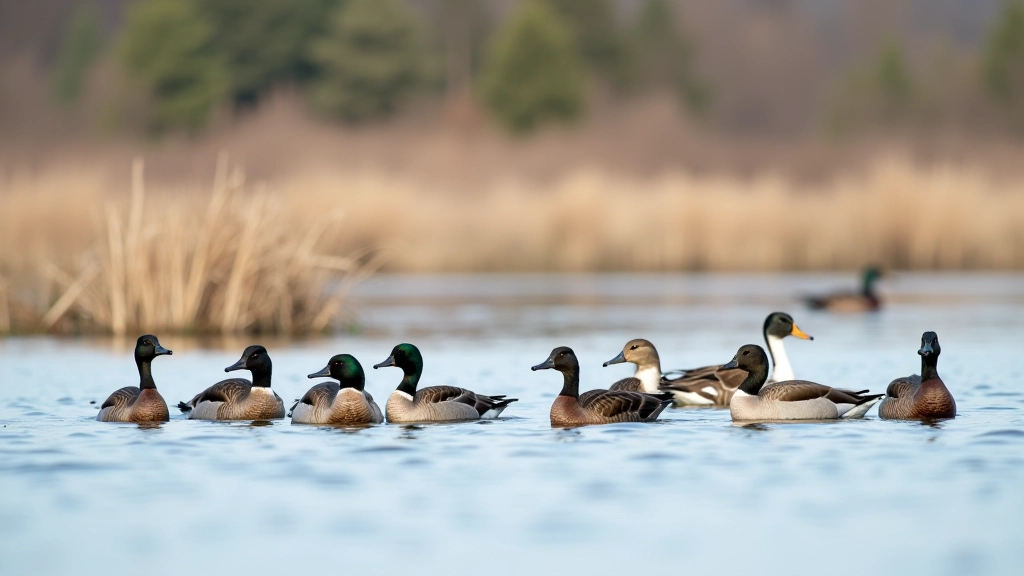
Spring Migration: When Thousands Arrive at Žuvintas
The annual phenomenon explained — migration timing, species involved, and how to time your visit for peak activity.
Read GuideReady to Visit?
These towers are waiting for you. Pick one, grab binoculars, and spend an hour watching. That's genuinely all you need to start seeing Žuvintas properly.
Explore All Trails