
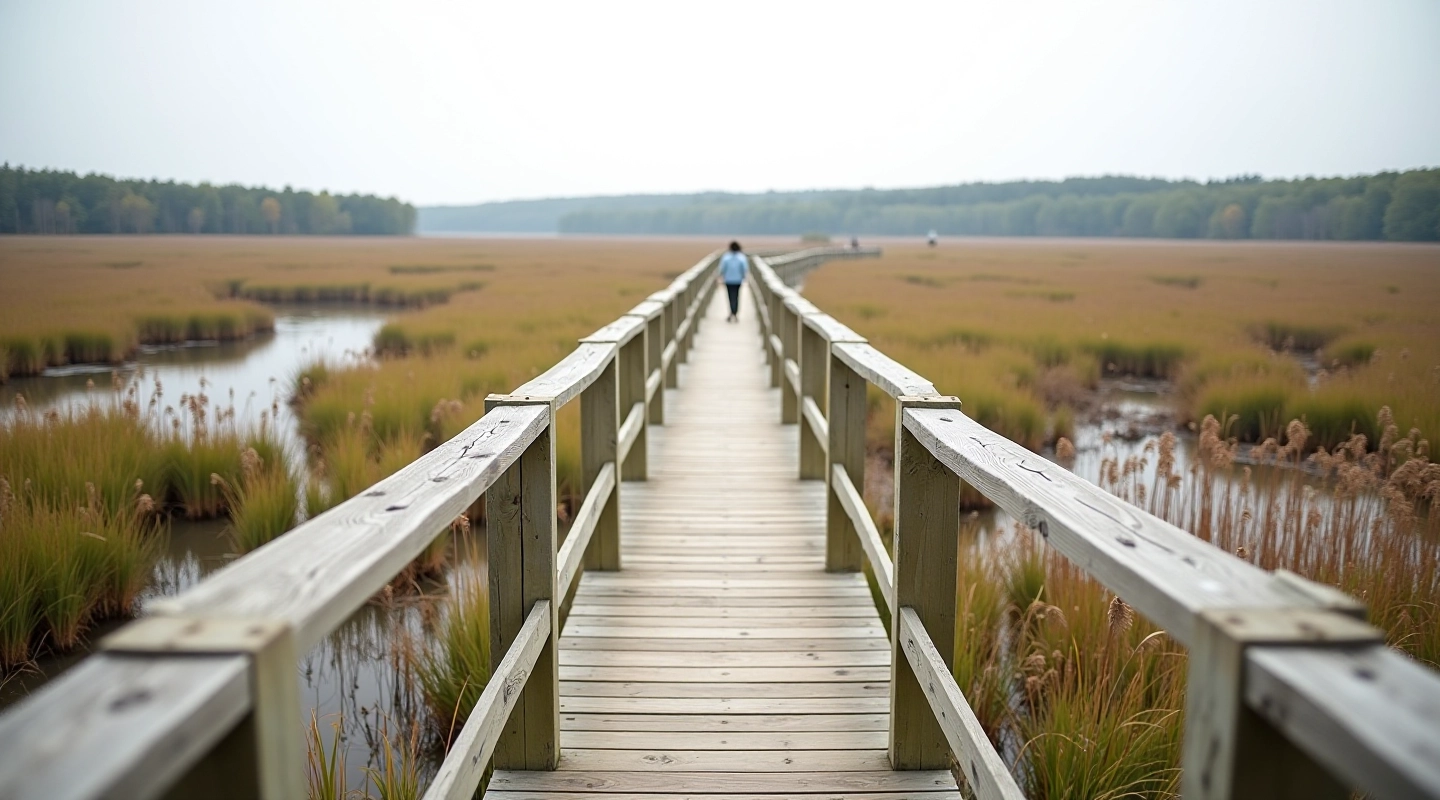
Observation Towers: Where to Find the Best Views
Guide to the five main towers at Žuvintas — their accessibility features, peak viewing windows, and what species you'll encounter from each location.
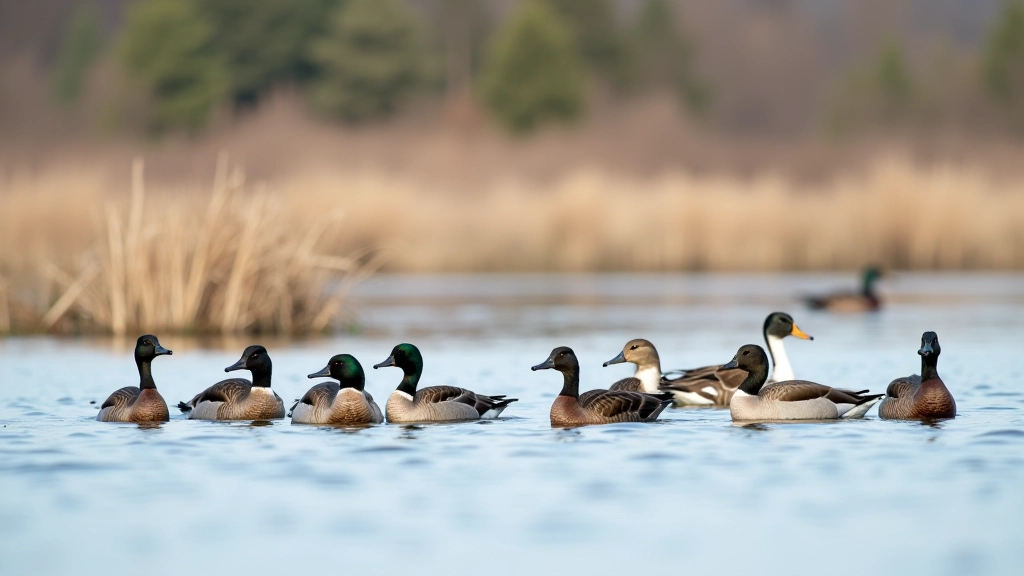
The annual phenomenon explained — migration timing, species involved, and how to plan your visit to witness this remarkable natural event. Includes practical tips for photography.
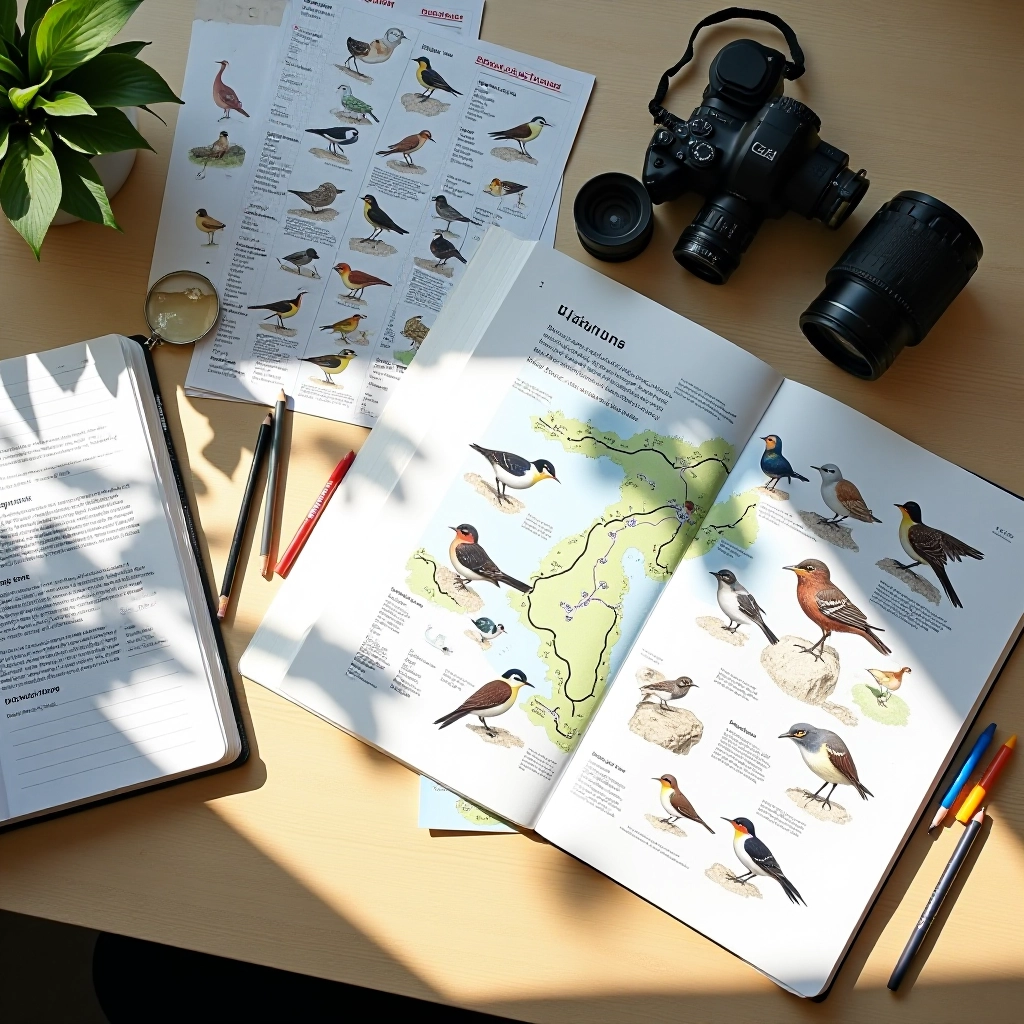
Written by the Žuvintas Editorial Team, focused on practical, honest guidance for wetland bird watching and accessible nature trails.
Every spring, something extraordinary happens at Žuvintas. Birds that've spent the winter thousands of kilometers south begin their journey back north. We're talking about thousands of individuals — waders, herons, ducks, and geese — all converging on this biosphere reserve at roughly the same time.
It's not random. These birds follow ancient routes, stopping at specific wetlands to rest and refuel. Žuvintas is one of those critical pit stops. The boardwalks and observation towers give you front-row seats to one of nature's most reliable spectacles.
Peak activity runs from late March through mid-May. Most species arrive in waves — early arrivals in late March, peak numbers by mid-April.
The timing isn't fixed to a calendar date — it depends on weather patterns and food availability. But you can count on rough timeframes. Late March sees the first arrivals: mostly dabbling ducks and a few early waders. These scouts are checking conditions, testing whether the ice has melted enough for feeding.
April is the heavy season. Pintails, shovelers, teal, and hundreds of gulls arrive. The observation towers get busy then, and for good reason. You'll see continuous activity from dawn through mid-morning. By late April, the herds start thinning as birds push further north toward breeding grounds.
Early May catches the stragglers and species passing through to even more northern regions. It's quieter than April but still productive. The light lingers longer too, giving you more time on the boardwalks.

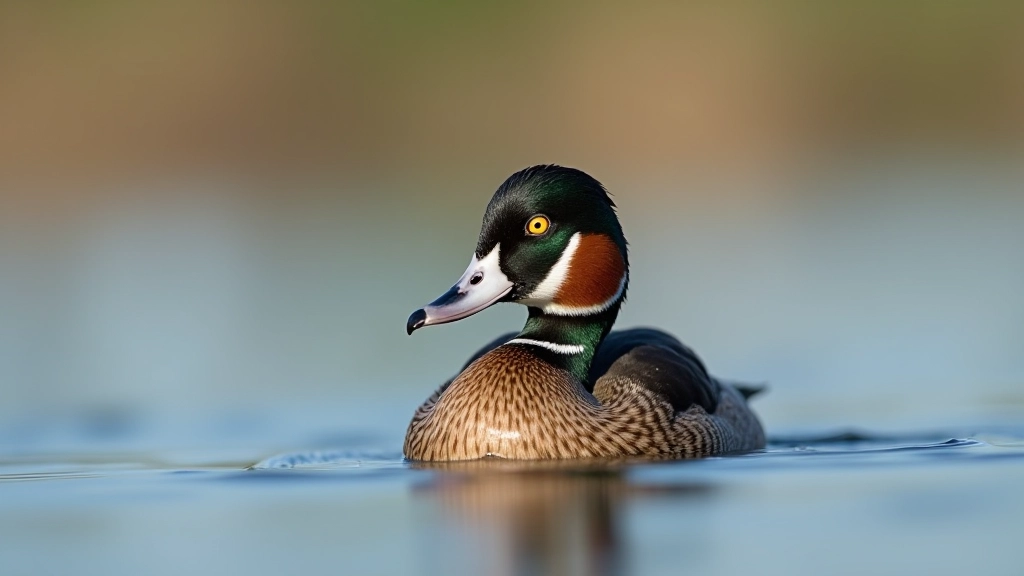
Northern pintails are the headline act. Males are unmistakable — white breasts, chocolate-brown heads, long necks. They're elegant and skittish. Don't expect them to linger in one spot. Shovelers come through in numbers too, easily identified by their oversized spoon-shaped bills.
Waders are different. Great egrets, grey herons, and spoonbills feed in the shallows. They're methodical, deliberate. Watch a spoonbill feed and you'll see it sweep its bill side-to-side through the water. There's a logic to how it hunts. Curlews and redshanks probe the muddy margins. You'll hear their calls before you see them sometimes.
Black terns arrive later in spring. These small dark birds are acrobatic — diving and dipping to catch insects from the water surface. They're quick. Bring binoculars and patience.
Choose observation times that match your fitness level — some towers involve stairs and the boardwalks can be exposed to weather. Check local conditions before you visit, especially early season when paths might still be muddy. If you have mobility concerns or health conditions, speak with your doctor before planning an extended visit.
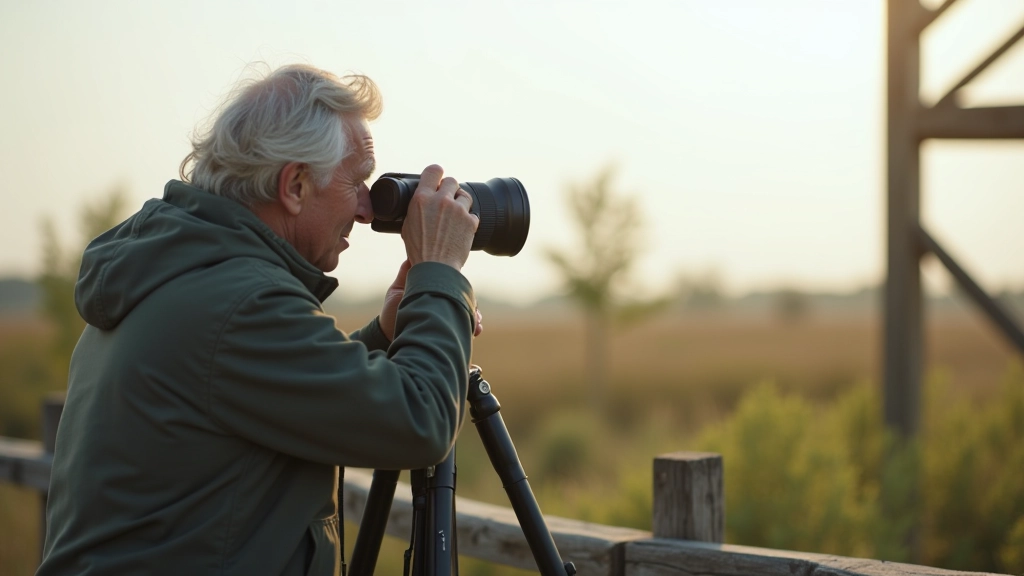
Light matters more than gear. Early morning — first hour after sunrise — gives you soft, directional light. Birds are active. The boardwalks aren't crowded yet. You'll get clearer shots without people in the frame. Bring a longer lens if you have one (200mm+), but honestly, binoculars and a smartphone can capture plenty.
Patience beats speed. Don't rush between towers. Sit at one spot for 30-45 minutes. Let the birds settle into their routines. You'll notice feeding patterns, social behaviors, interactions between species. These are the shots that tell a story, not just a record of what was there.
Weather adds drama. Overcast mornings? That's fine — no harsh shadows. Light rain? The reflections on the water become part of your composition. Wind can be challenging though. It makes birds restless and creates ripples. Calm days are ideal.
Start with mid-April. It's the safest bet for seeing large numbers. Weather's usually settled. The reserve is accessible. Most of the migration infrastructure — the boardwalks, towers, parking areas — is fully operational by then.
Give yourself 3-4 hours minimum. You're not checking boxes here. Two hours might get you one good observation session. Three hours lets you visit two towers comfortably, notice how activity changes through the morning. Four hours means you can have a break, grab a coffee, and return to a productive location.
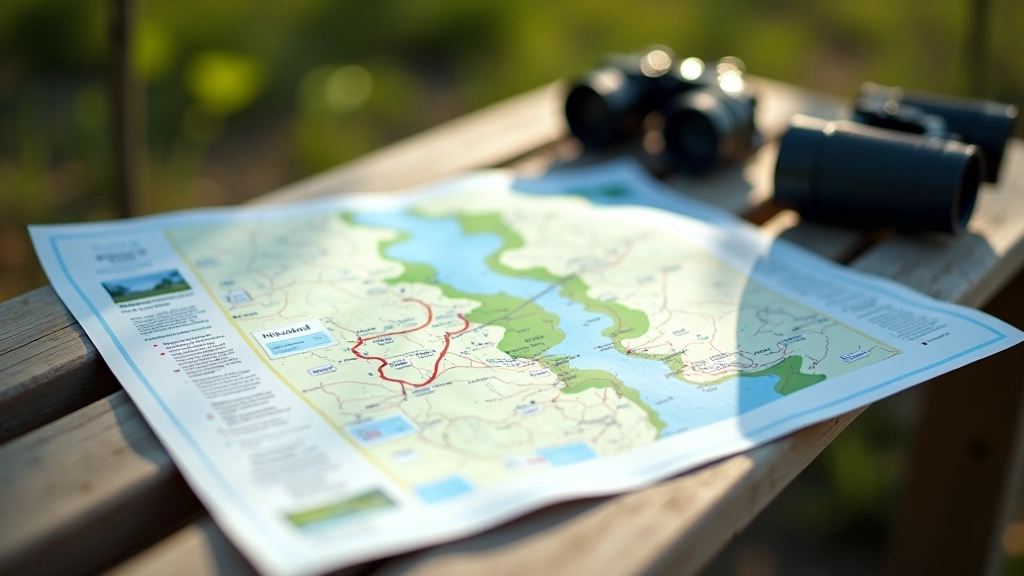
Download a field guide or use a bird ID app before you go. You'll identify species faster, retain more detail about behavior. There's something satisfying about recognizing a spoonbill without asking someone else what it is. The accessible trails guide covers parking, rest facilities, and specific tower accessibility — check that resource if stairs are a concern.
Migration isn't just movement from point A to point B. It's a journey. These birds have survived months in different climates, navigated across continents, and now they're refueling at places like Žuvintas to push toward breeding grounds. Watching it happen, understanding the timing and species involved, connects you to something much bigger than a single moment.
That's why people come back year after year. It's reliable. It's authentic. And it's right here — thousands of birds, remarkable behavior, accessible from the boardwalks. You don't need expertise. You don't need expensive equipment. Just show up in April with curiosity and patience.
Deepen your understanding of Žuvintas and bird watching
Guide to the five main towers at Žuvintas — their accessibility features, peak viewing windows, and what species you'll encounter from each location.
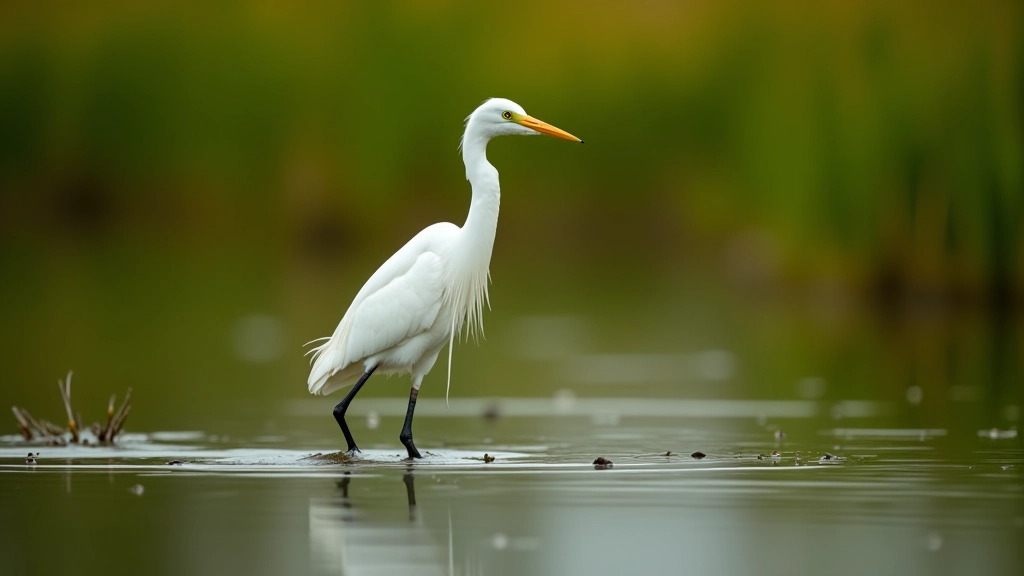
Learn to distinguish between species you'll encounter. Covers field marks, behavior patterns, and seasonal presence across the year.
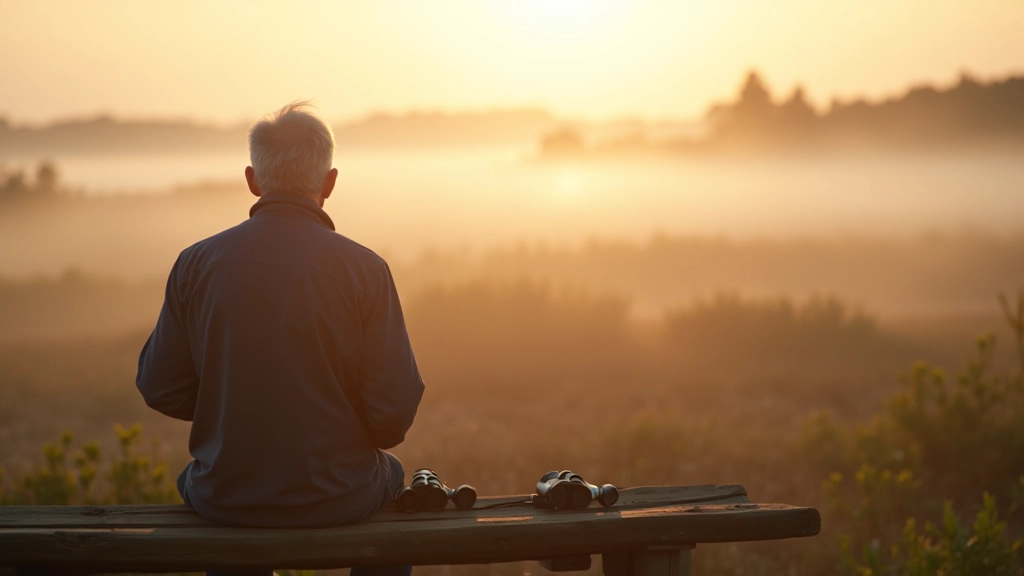
Detailed breakdown of all six main boardwalks including parking availability, rest facilities, and specific accessibility features.