
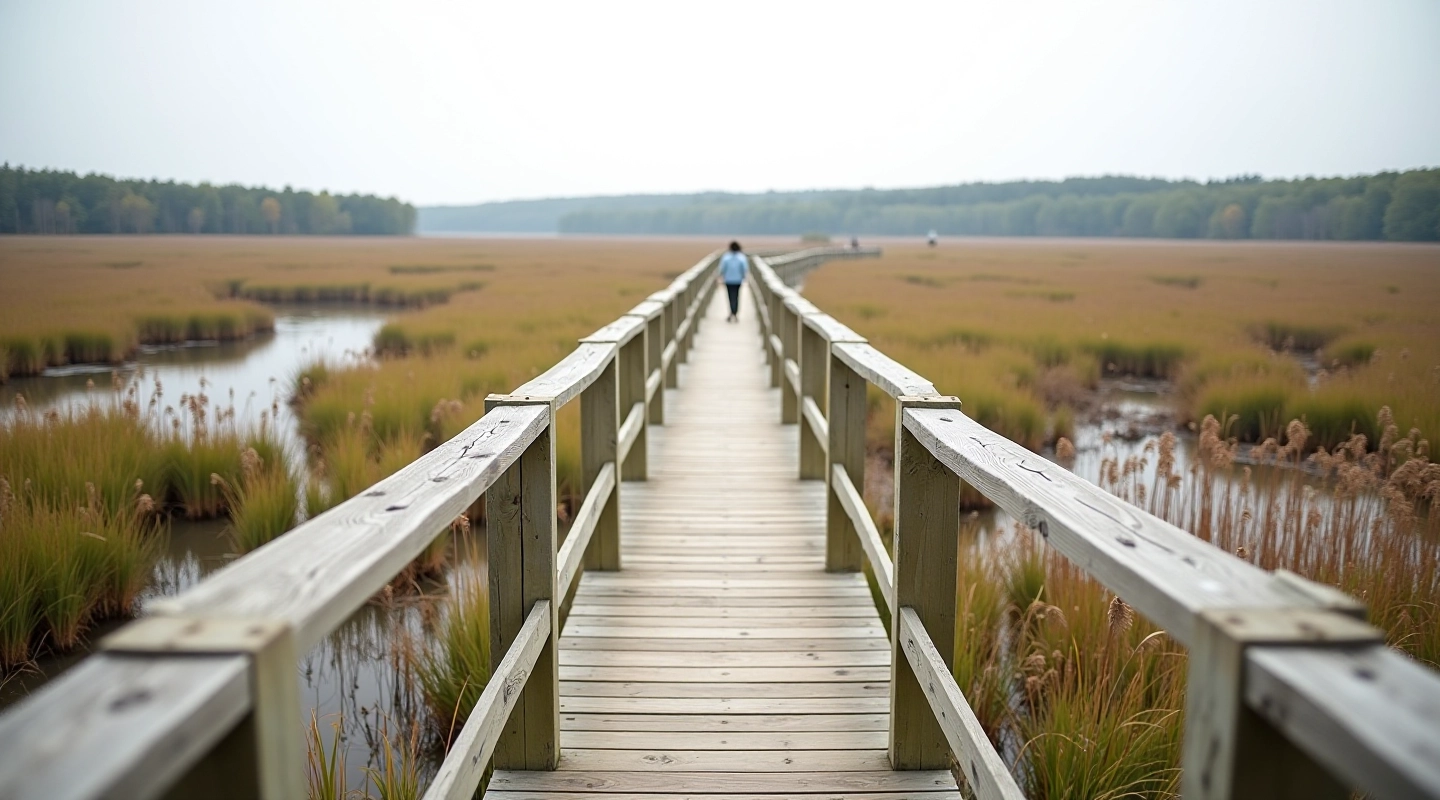
Observation Towers: Where to Find the Best Views
Guide to the five main towers at Žuvintas — their accessibility features, peak watching times, and what birds you'll see from each location.
Read Guide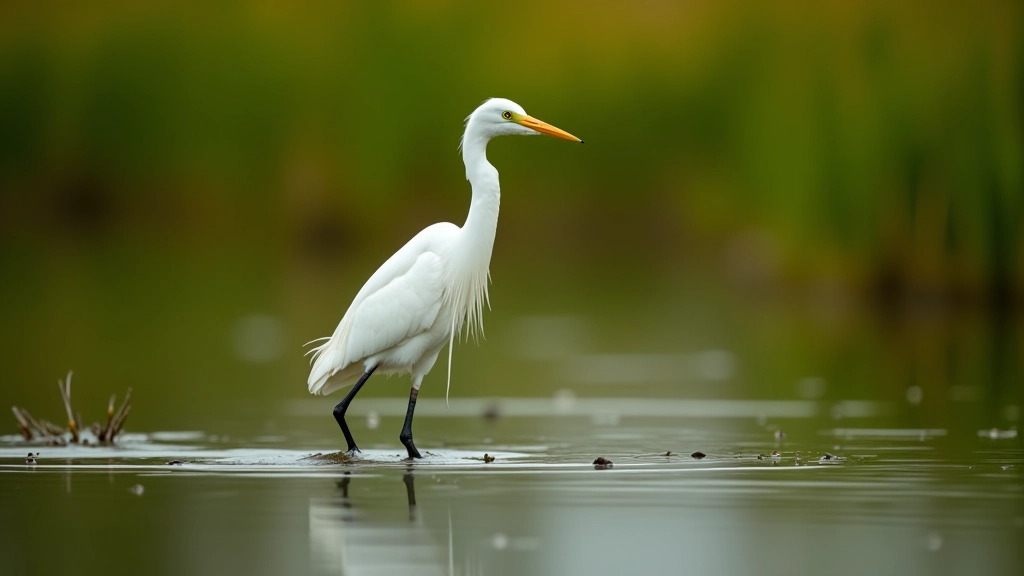
Learn to distinguish between species you'll encounter. Covers field marks, behavior, and seasonal appearance variations for confident birding.
By
Editorial Team
Written by the Žuvintas Editorial Team, focused on practical, honest guidance for wetland bird watching and accessible nature trails.
Walking along the boardwalks at Žuvintas, you'll see birds that look similar at first glance. But here's the thing — they're actually quite different once you know what to look for. Waders and herons aren't as mysterious as they seem. With a few key features to check, you'll start recognizing them quickly.
The good news? You don't need expensive binoculars or expert training. What matters is understanding the basic differences: size, bill shape, neck length, and how they move through the water. These simple checks will help you confidently identify what you're seeing.
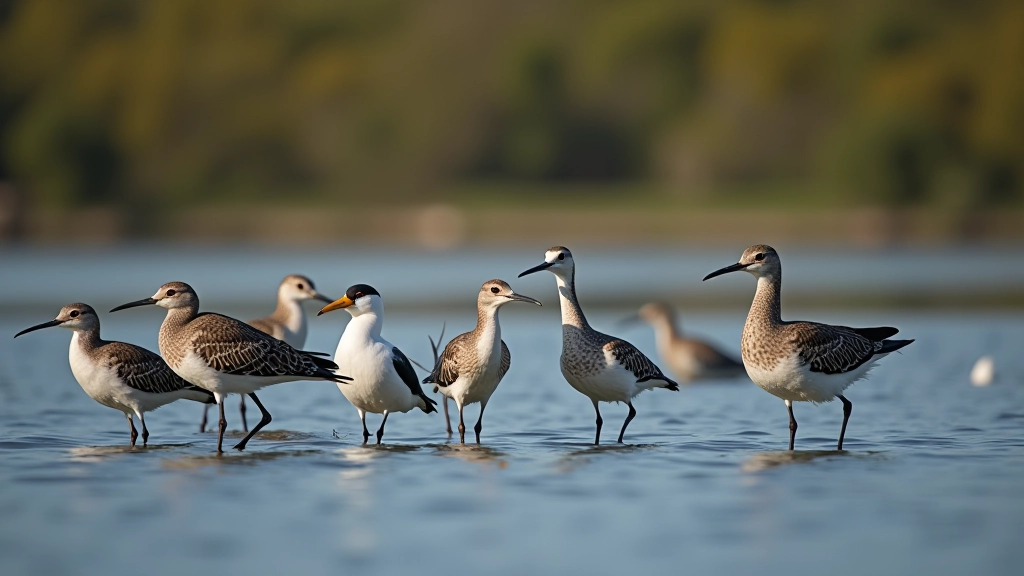
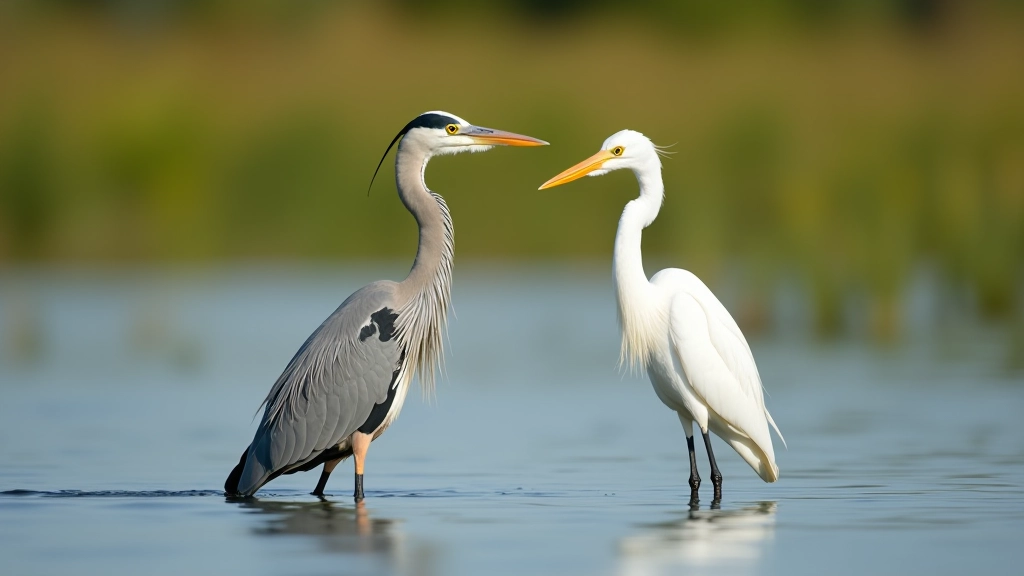
Herons are the larger birds you'll spot. They're built for serious hunting — long legs, long necks, and sturdy bills designed to spear fish. The great egret (white, 90cm tall) is probably the most common one you'll see at Žuvintas. It's unmistakable: pure white feathers and a long yellow bill. When it moves, you'll notice it hunches slightly, like it's getting ready to strike.
The grey heron is different. It's larger (around 100cm), with blue-grey back feathers and a darker neck. It's less common here than the egret, but you'll recognize it immediately by the dark stripe above its eye and that powerful posture. Both species are solitary hunters — you won't see them in tight groups like you do with waders.
Quick ID tip: If it's tall, has a long neck, and moves deliberately like it's hunting, it's a heron. Herons stand and wait. They don't rush.
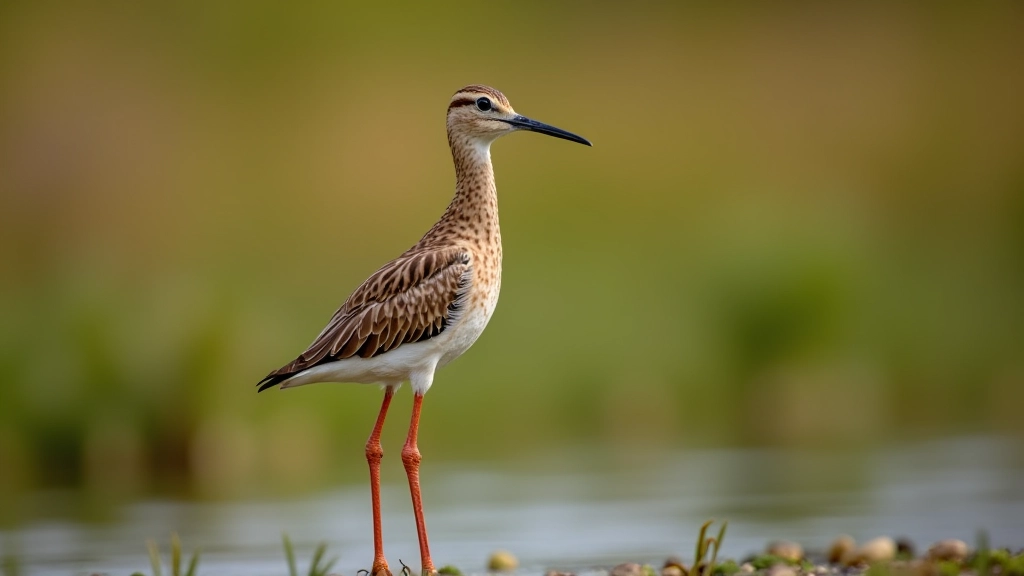
Waders are smaller and more active than herons. They're the birds you'll see in groups, often running along the water's edge or probing the mud. The common redshank is one you'll encounter regularly — it's medium-sized (around 28cm) with striking reddish-orange legs and bill. You can't miss those legs. When it flies, there's a white stripe on the wing that flashes as it moves.
The common greenshank is similar in size but more subtle. It's grey-brown with greenish legs (not red) and a slightly upturned bill. It's quieter than the redshank and tends to hunt alone rather than in groups. The dunlin is smaller (19cm) and looks completely different — darker, stockier, with a short bill and a blackish patch on the belly during breeding season.
Here's what makes waders distinctive: they're always moving. They'll run, pause to peck, then run again. Their long legs let them wade deeper than herons, but they're not patient hunters. They're active foragers.
Before You Go: Choose activities that match your fitness level, check local conditions before travelling, and speak with your GP if you have health concerns before starting a new activity. Weather and seasonal conditions at Žuvintas can change quickly — dress appropriately and bring water.
Don't overthink identification. Focus on these key features: leg color, bill shape, and size. Leg color is the easiest starting point. Red legs? Redshank. Green legs? Greenshank. Black legs? You're likely looking at a dunlin or similar. Bill shape tells you how the bird hunts — straight bills for probing mud, curved bills for reaching into crevices, long bills for deeper water hunting.
Size matters too, but it's tricky when birds are alone. Compare them to herons — a heron's head alone is bigger than a wader's entire body. Posture is another clue. Herons hold their necks in an S-curve when resting. Waders keep their necks more upright. Watch how they move. Herons stalk. Waders dash.
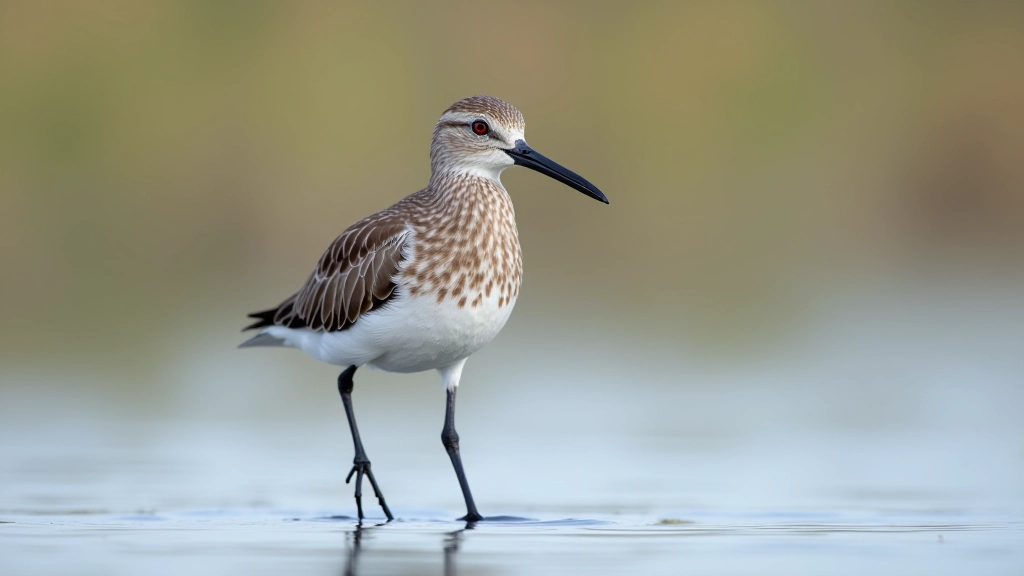
Here's something important: many waders change appearance between seasons. The dunlin looks completely different in summer (dark belly) versus winter (grey). The redshank keeps its color but becomes more vocal during breeding season. If you're visiting in spring (April-May) or autumn (August-September), you're likely seeing birds in transitional plumage — that in-between look that's harder to pin down.
Behavior is your best clue when plumage is confusing. Watch what the bird is doing. Is it calling loudly? That's likely a redshank. Is it hunting alone with patience? Probably a heron. Is it running in a group, probing rapidly? Almost certainly a wader. Redshanks are especially vocal — they'll announce their presence before you even see them. That sharp "tu-tu-tu" call is unmistakable once you've heard it.
At Žuvintas, spring migration brings the most diversity. You'll see species passing through that don't stay year-round. Autumn is quieter but offers good viewing from the observation towers. Winter is trickier — fewer birds overall, but the ones present are easier to watch since vegetation is minimal.
The first time you're uncertain about a bird, that's completely normal. Take a moment. Look at the legs. Check the bill. Watch the behavior. You don't need to identify everything perfectly on your first visit. Spend time watching the same birds repeatedly — you'll start noticing subtle differences that make identification obvious. Bring a notebook and sketch what you see, even roughly. That forces you to look carefully and helps you remember details.
The best part about learning bird identification? Every visit teaches you something new. You'll start recognizing individuals, noticing which birds prefer certain areas of the reserve, understanding seasonal patterns. It becomes a real skill, one you'll use every time you visit the boardwalks at Žuvintas. And once you can identify waders and herons confidently, the other birds become easier too.
Continue learning about wetland bird watching and accessible trails
Guide to the five main towers at Žuvintas — their accessibility features, peak watching times, and what birds you'll see from each location.
Read Guide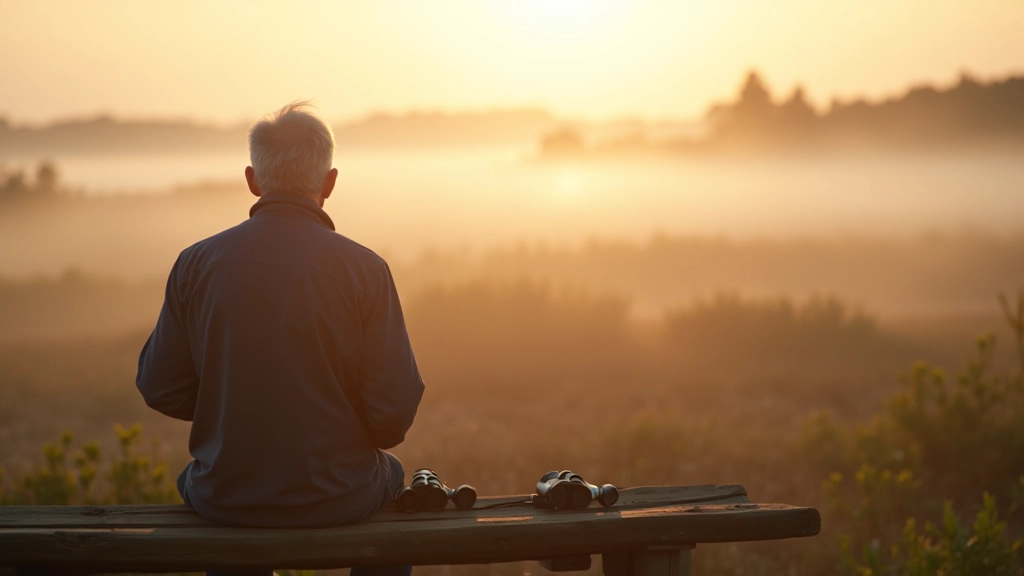
Detailed breakdown of all six main boardwalks including parking, rest facilities, distance, and which trails work best for different fitness levels.
Read Guide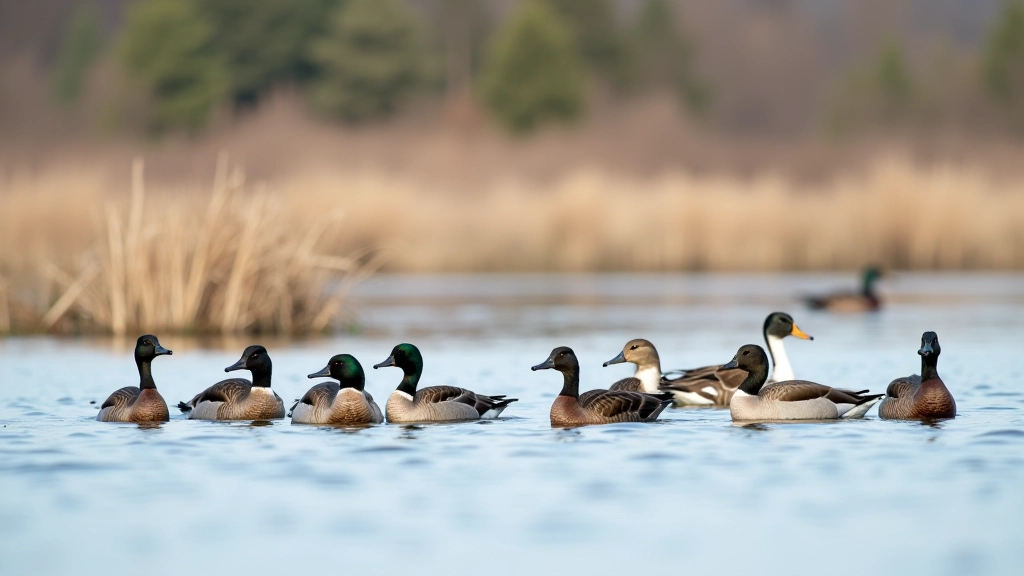
The annual phenomenon explained — migration timing, species involved, and how to plan your visit to catch the peak activity.
Read Guide